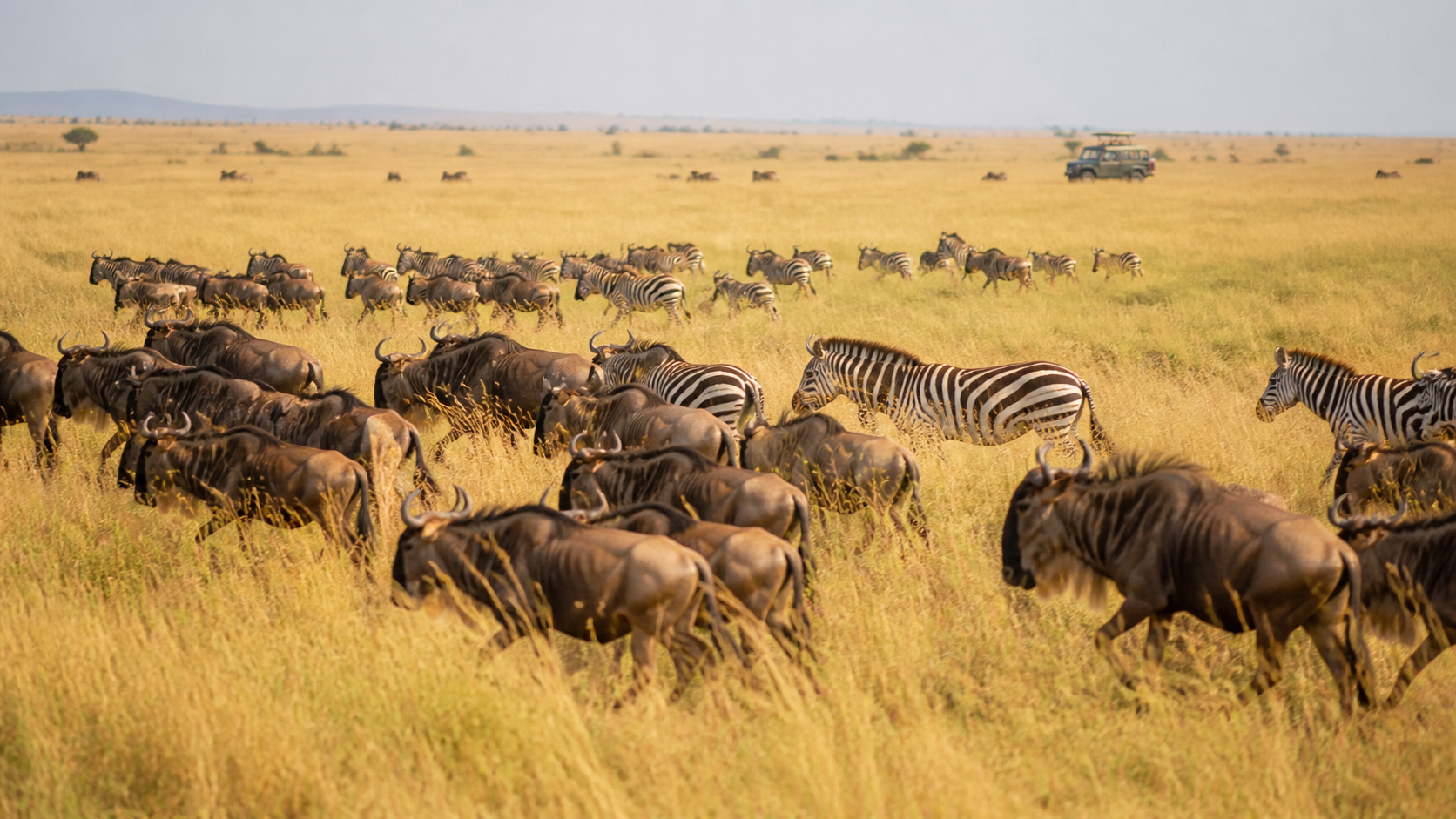
Kenya Wildlife Safari Planner
Compare parks, seasons and safari styles before you commit to a route.
A good Kenya safari is planned around wildlife goals, travel time and logistics. The most famous route is not always the best route for every visitor, especially families, older travellers, photographers or people combining safari with the coast.
Which Park Fits Your Trip?
| Destination | Best For | Plan Around |
|---|---|---|
| Maasai Mara | Open plains, big cats, migration-season drama | Higher peak-season demand, long road transfer, conservancy versus reserve choice |
| Amboseli | Elephant herds, Kilimanjaro views, shorter safari routes from Nairobi | Dust and heat in dry periods, mountain visibility, lodge location |
| Tsavo East and Tsavo West | Large landscapes, red-earth scenery, coast-safari combinations | Long distances inside the parks, fewer dense sightings than smaller reserves |
| Lake Nakuru | Rhino viewing, Rift Valley scenery, birding and a compact park experience | Water levels and bird distribution change; do not plan only for flamingo numbers |
| Nairobi National Park | Half-day safari near the capital, rhinos, city skyline views | Urban-edge setting, traffic to gates, best combined with nearby conservation stops |
| Samburu/Buffalo Springs/Shaba | Dry-country scenery and northern specialist species | Longer travel time, heat, seasonal river and road conditions |
Wildlife Goals
Big Cats
Start with Maasai Mara for lions and cheetahs. Leopards are possible but never guaranteed, so give yourself more than one game drive.
Elephants
Amboseli is the classic choice for close elephant encounters. Tsavo is also known for red-dust elephant scenery.
Rhinos
Consider Lake Nakuru, Nairobi National Park and Ol Pejeta Conservancy. Ask guides which zones are currently productive.
Birding
Lake Nakuru, Naivasha, Amboseli wetlands, Nairobi National Park and coastal forests can all work well, depending on the season.
How Many Days?
- One day: Nairobi National Park or a conservation visit near Nairobi.
- Three days: Amboseli, Lake Nakuru and Naivasha, or a quick Maasai Mara trip if you can handle the transfer time.
- Five to seven days: A better first safari window, usually enough for two regions without rushing every day.
- Ten days or more: Add the coast, Samburu, Mount Kenya, Tsavo or a private conservancy stay.
Safety and Responsible Safari Basics
- Stay in the vehicle unless your guide says an area is safe for exit.
- Do not ask guides to crowd, chase or block wildlife for photographs.
- Keep voices low near animals and use binoculars instead of forcing a close approach.
- Choose operators that explain park fees, conservancy fees and community benefits clearly.
- Carry travel insurance that covers your activities, evacuation needs and any pre-existing conditions.
Documents and Booking Checklist
The official eTA portal lists a passport valid for at least six months with one blank page, a selfie or passport-style photo, contact details, itinerary, accommodation booking and payment method among typical application requirements. Some travel purposes need additional documents.
- Apply only through the official Kenya eTA portal or a trusted official link.
- Check that names match the passport exactly across flights, eTA, insurance and accommodation.
- Ask for a written safari itinerary with park names, overnight locations and included fees.
- Confirm luggage limits if your itinerary uses light aircraft.
- Keep offline copies of eTA approval, passport bio page, insurance and emergency contacts.